


Leash de surf planche
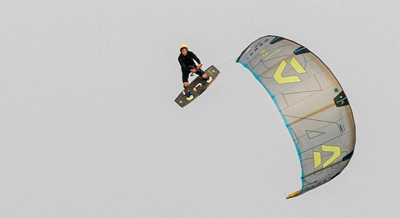
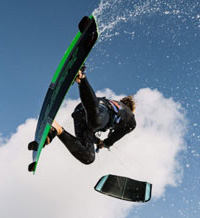
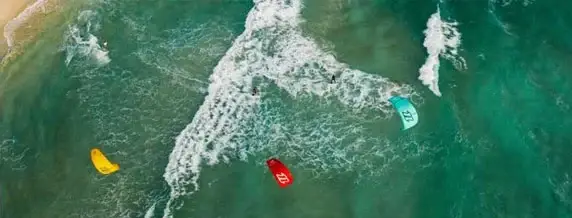
Nous ne voyons pas beaucoup de leashs de planche de surf pendant une session de kitesurf car ils présentent également certains risques. Contrairement aux surfeurs, les kitesurfers n'ont pas le luxe de protéger leur tête avec leurs mains en cas de chute, car ils doivent rester sur la barre au risque que les choses empirent. Cependant, le leash de surf est utilisé lorsque vous faites du kitesurf près de récifs car une planche de kitesurf qui s’écorche sur des rochers peut également provoquer de gros dégâts matériels. Nous recommandons un leash uniquement aux kitesurfers expérimentés qui savent exactement ce qu'ils font. Vous voulez en savoir plus sur les leashs de planche de surf? En savoir plus.
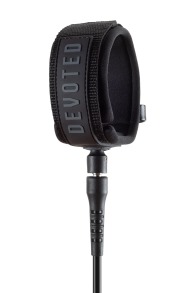
Devoted
Core Series Comp Leash
34,-
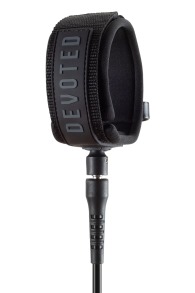
Devoted
Core Series Pro Leash
36,-
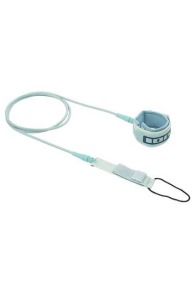
ION
Leash Core pour planche de surf
44,90
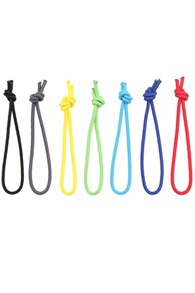
Devoted
Leash string
3,95
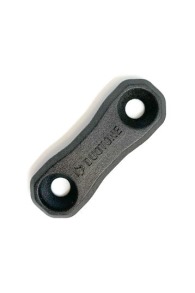
Duotone Kiteboarding
Leash Plug
4,90
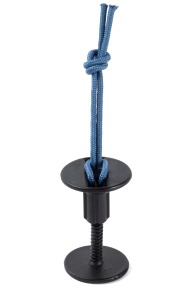
Devoted
Leash Plug
4,-
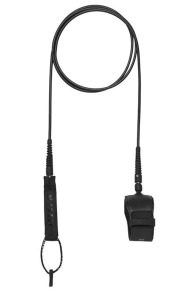
Mystic
Leash de Surf Pro
42,-
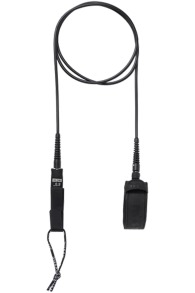
Mystic
Surf Leash 2025
39,-
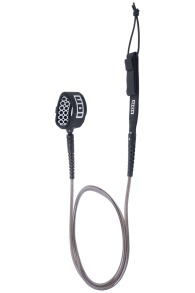
ION
Surfboard Core Leash Ankle
39,90

Surfindustry
Roll Leash
79,90
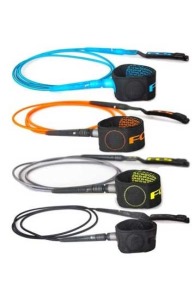
FCS Surf
6' Freedom Leash
49,90
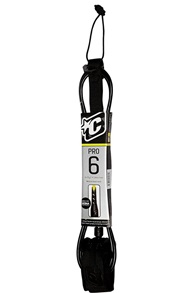
Creatures of Leisure
Pro 6
39,-
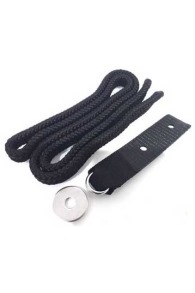
Surfindustry
Rope Extension For Roll Leash
17,90
-19 - -7 de 13
Produits par pageLeash de surf planche
Nous ne voyons pas beaucoup de leashs de planche de surf pendant une session de kitesurf car ils présentent également certains risques. Contrairement aux surfeurs, les kitesurfers n'ont pas le luxe de protéger leur tête avec leurs mains en cas de chute, car ils doivent rester sur la barre au risque que les choses empirent. Cependant, le leash de surf est utilisé lorsque vous faites du kitesurf près de récifs car une planche de kitesurf qui s’écorche sur des rochers peut également provoquer de gros dégâts matériels. Nous recommandons un leash uniquement aux kitesurfers expérimentés qui savent exactement ce qu'ils font. Vous voulez en savoir plus sur les leashs de planche de surf? En savoir plus.
Board Leashes at Kitemana
In the information section below, you’ll find everything you need to know about board leashes , how to use them, what to look for when choosing the right length or attachment, and when it’s smart (or not) to wear one. We explain the advantages, safety features, and maintenance tips step by step, so you can decide what suits your level and riding style. The better your gear is matched to your needs, the more you can focus on what really matters: enjoying your session on the water.
Most Frequently Asked Questions about Board Leashes:
Is it safe to use a board leash?
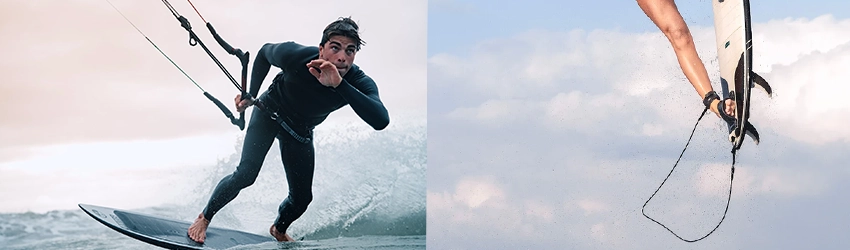
A board leash can be useful, but it’s not always safe. The key is knowing when and how to use it. An incorrect setup or a leash that’s too short can become dangerous if you’re launched forward by your kite, the board can rebound toward you like a slingshot. It’s also risky in waves, where you can get rolled around while your board gets pulled behind you. That’s why we only recommend a kiteboard leash for specific situations, such as reef spots where losing your board isn’t an option, or in strong currents. Always use a leash with a helmet and impact vest. If your board hits you, at least you have protection. With proper preparation and safety gear, you can use a leash safely and keep your board close.
How do I attach a board leash to my kiteboard?
Attach your board leash using the leash plug, the small eyelet built into the board for this purpose. Use the included cord or loop to secure the leash firmly, and check that all connections are tight to prevent it from coming loose while riding.
Always use a leash designed specifically for kitesurfing. SUP or surf leashes may look similar, but they aren’t built to handle kite forces and can be dangerous. Their recommended lengths also differ. Rinse your leash with fresh water after every session and regularly check the cord, plug, and attachment for wear or damage. This keeps your leash safe and ready for every session.
What’s the difference between a coiled, roll, and straight leash?
The main difference lies in shape, stretch, and usage. A coiled leash is spiral-shaped and stretches smoothly when you move away from your board. It usually stays above the water, creating less drag and reducing the chance of tangling around your feet or board, ideal for twin tip riders who like to keep their board close. A roll leash is similar but retracts even more smoothly using a roll mechanism attached to your harness, offering greater freedom of movement and comfort during long sessions. A straight leash has no stretch and is mostly used with surfboards or directionals, where you want to keep more distance between you and your board.
Always pay attention to leash length, it should match your board size. For example, with a 5-foot directional, choose a 5-foot leash. A longer leash creates more drag in the water, reducing speed and control, while a shorter leash increases recoil risk, which can be dangerous. The right length gives you the perfect balance between freedom, safety, and performance on the water. If in doubt, go slightly longer, safety first!
Which board leash brands does Kitemana sell?
Duotone Kiteboarding: TRUE KITEBOARDING.
Flysurfer: AHEAD OF ITS TIME
ION: CHALLENGING YOURSELF, EXPERIENCING NATURE, AND FEELING ITS FORCE
Mystic: PUSH THE EVOLUTION OF WATER SPORTS TOGETHER
Vous n'avez pas de produit(s) dans votre panier
Vous ne savez pas par où commencer?
Visitez notre service client pour obtenir des conseils
